article2

Family Dental & Orthodontics

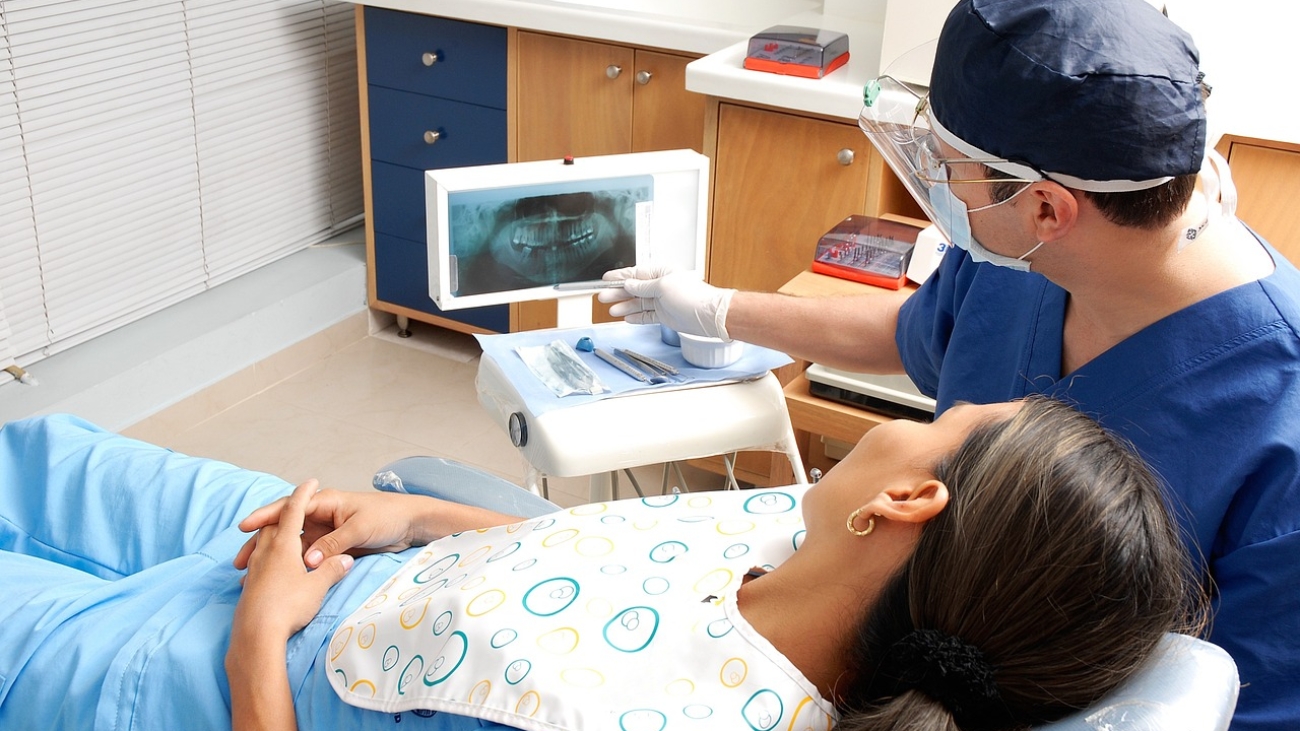
Orthodontic is a specialty of dentistry that addresses the diagnosis, prevention, management, and correction of misaligned teeth and jaws, as well as misaligned bite patterns. It can also involve changing facial growth, known as dentofacial orthopedics.

Abnormal alignment of teeth and jaws is very common. According to the American Orthodontic Association, nearly 50% of the population in the developed world has malocclusions severe enough to benefit from orthodontic treatment, although this figure drops to less than 10% according to the same AAO statement when it comes to medically necessary orthodontics. However, conclusive scientific evidence of the health benefits of orthodontic treatment is lacking, although patients who completed treatment reported a higher quality of life than untreated patients undergoing orthodontic treatment. The main reason for the prevalence of these malocclusions is a diet that includes fewer fresh fruits and vegetables and overall softer foods during childhood, resulting in smaller jaws with less space for teeth to erupt. Treatment can take several months to a few years and involves the use of braces and other devices to gradually adjust the position of the teeth and the alignment of the jaw. In cases where malocclusion is severe, jaw surgery may be included in the treatment plan. Treatment usually begins before a person reaches adulthood, as pre-adult bones can adjust more easily before adulthood.

Regular dentist visit. Caries cure. Young woman visiting dentist

Oral Health Foundation

Oral Health Foundation (anciennement connue sous le nom de British Dental Health Foundation) a été créée en 1971 et est l’un des principaux organismes de bienfaisance indépendants au monde en matière de santé bucco-dentaire (numéro d’organisme de bienfaisance enregistré 263198). Son siège social se trouve au Royaume-Uni et vise à aider le public à améliorer sa santé et son hygiène bucco-dentaires grâce à une série d’activités menées sous le nom de Oral Health Foundation. Le président actuel de l’Oral Health Foundation est Mhari Coxon et le PDG est le Dr Nigel Carter OBE.

good-pediatric-dentist

Flossing Children's Teeth

Flossing should begin when your child has two teeth that touch. This is often around the age of 2 to 3 years. Always floss under the direction of your child's dentist or doctor. Before this age, flossing is not necessary. Children often need help flossing until they are 10 to 11 years old.

The Importance of Flossing

Proper and regular brushing can remove most plaque. But brushing alone can’t remove plaque, which is found in places a toothbrush can’t reach. This includes between the teeth and under the gums. In addition to removing plaque, flossing also helps to:

  • Remove debris that sticks to teeth between teeth and under the gumline
  • Polish tooth surfaces
  • Control bad breath

Your child should floss at least once a day for 2 to 3 minutes each time for maximum effectiveness.

Types of Floss

Regular and consistent use of dental floss is the most important weapon against plaque. It may be more important than the toothbrush. The different types of dental floss include:

  • Waxed and unwaxed
  • Flavored and unflavored
  • Wide and regular
  • Textured and smooth

Methods of using dental floss

Your child’s dentist or doctor can show you and your child how to floss. Methods include:

  • Spool method (also called finger wrap method)
    • Cut a piece of dental floss about 18 to 20 inches long.
    • Lightly wrap each side of the piece of floss around each middle finger several times.
    • Then, carefully move the floss between the teeth with your index fingers and thumbs in an up-and-down motion, not side-to-side.
    • Wrap the floss from top to bottom, making sure to go under the gum line. Bend it to form a C shape on the side of each tooth.
  • Loop Method (also called the Circle Method)
    • Cut a piece of dental floss about 18 inches long.
    • Tie it securely in a circle.
    • Then place all fingers except the thumb through the loop.
    • Then use your index fingers to guide the floss through your lower teeth. Use your thumbs to guide the floss through your upper teeth.
    • Pass it under the gum line, bending it to form a C on the side of each tooth.

Other Flossing Methods

Flossing tools are also available, such as pre-threaded floss or a floss holder. These can be helpful for people who are learning to floss. They can also help children who have limited arm or hand dexterity. Or they can be helpful if you are flossing your child’s teeth.

Les irrigateurs buccaux ou les hydropulseurs ne remplacent pas le brossage et l’utilisation du fil dentaire. Ces appareils peuvent aider à nettoyer autour des appareils orthodontiques, là où les aliments collent ou dans les zones qu’une brosse à dents ne peut pas atteindre. Mais ils n’éliminent généralement pas la pellicule et la plaque dentaire.